Articles & Toolkit > Business Success Is About More Than Revenue
Business Success Is About More Than Revenue
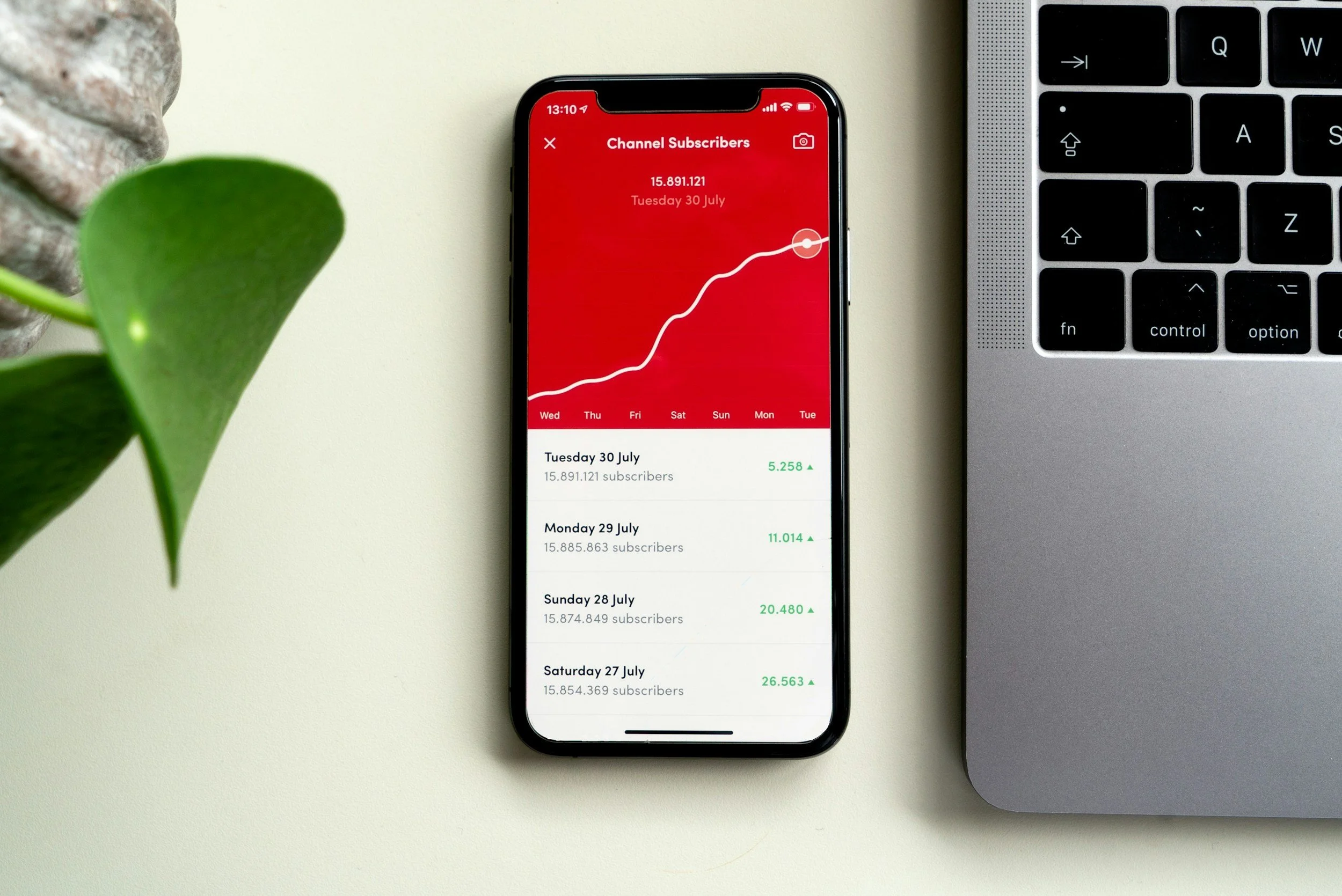
Revenue is often one of the first figures business owners look at when assessing performance. Higher sales can create a sense of momentum. They signal demand, attract attention and often become the measure by which success is judged. Revenue growth is also highly visible, making it an easy benchmark for businesses to compare themselves against competitors or previous years.
While revenue is undoubtedly important, it tells only part of the story.
A business can generate impressive sales while experiencing cashflow pressure, shrinking profit margins or increasing operational complexity. Conversely, a business with more modest revenue may be financially stronger because it is generating sustainable profits, maintaining healthy cash reserves and operating efficiently.
Revenue measures activity. Sustainable success is measured by much more.
Understanding this distinction is becoming increasingly important as businesses navigate rising costs, economic uncertainty and changing customer expectations. Long-term success is rarely determined by revenue alone. Instead, it is built on a combination of profitability, financial discipline, resilience and thoughtful leadership.
Revenue Is Only One Measure of Performance
Revenue represents the income generated from selling products or services before expenses are deducted. It provides an indication of market demand and business activity, but it does not explain whether those sales are generating sustainable financial outcomes.
Two businesses can report identical revenue while producing vastly different results.
One may have healthy profit margins, efficient systems and strong cashflow. The other may be carrying excessive overheads, declining margins and increasing debt.
Looking only at revenue can therefore create a misleading impression of performance.
Strong revenue does not automatically translate into a strong business.
To understand how a business is truly performing, revenue needs to be considered alongside other financial and operational indicators.
Profitability Matters More Than Turnover
Profitability is what allows a business to grow sustainably.
It provides the resources to invest in new equipment, employ additional staff, improve systems and build financial resilience. Without consistent profitability, even businesses experiencing rapid sales growth can find themselves under increasing pressure.
Many SMEs focus heavily on generating new sales while giving less attention to whether those sales remain profitable after labour, materials, overheads and operating costs are considered.
As costs increase, margins can quietly erode. Revenue may continue climbing while profitability remains stagnant or even declines.
This often creates confusion.
Business owners may feel busier than ever, yet wonder why the financial rewards do not reflect the level of activity.
A growing business is not necessarily a more profitable business.
Understanding margins is just as important as understanding revenue.
Cashflow Determines Stability
One of the most common misconceptions in business is that profitable businesses should never experience cashflow problems.
In reality, profit and cashflow measure different aspects of financial performance.
A business may report strong profits while waiting months for customers to pay invoices. Significant funds may be tied up in inventory, equipment or expansion. Loan repayments and tax obligations may reduce available cash despite healthy earnings.
This is why businesses sometimes appear successful on paper while struggling to meet day-to-day financial commitments.
Cashflow determines whether wages can be paid, suppliers can be settled and growth opportunities can be funded.
Profit supports growth. Cashflow keeps the business operating.
Both deserve equal attention.
Strong Systems Support Sustainable Growth
As businesses grow, complexity naturally increases.
More customers, additional staff, larger transaction volumes and expanding operations all place greater demands on financial systems and processes.
Without appropriate systems, growth can create inefficiencies that gradually reduce profitability.
Bookkeeping falls behind. Reporting becomes less reliable. Inventory becomes harder to manage. Decision-making becomes increasingly reactive.
Strong businesses recognise that systems are not administrative burdens.
They are strategic assets.
Well-designed processes improve visibility, reduce errors and allow business owners to spend more time leading the business rather than constantly solving operational problems.
Growth is easier to sustain when supported by strong financial systems.
Financial Visibility Improves Decision-Making
Business owners make important decisions every day.
Whether considering pricing, recruitment, investment or expansion, those decisions are strengthened when supported by reliable financial information.
Financial visibility provides more than historical reporting.
It creates understanding.
Leaders who regularly review financial performance are generally better positioned to identify trends, respond to emerging risks and make informed decisions before small issues become larger problems.
Without visibility, decisions often rely on instinct alone.
While experience remains valuable, combining experience with accurate financial information usually produces better outcomes.
Better decisions begin with better financial visibility.
This is one reason why financial reporting should be viewed as a management tool rather than simply a compliance requirement.
Customer Relationships Matter
Business success is also built through relationships.
Acquiring new customers is important, but retaining existing customers often provides even greater long-term value.
Businesses that consistently deliver quality service, communicate effectively and understand their customers' needs are often better positioned to generate repeat business and referrals.
Strong customer relationships also provide greater resilience during periods of economic uncertainty.
Loyal customers are generally more likely to continue supporting businesses they trust, even when market conditions become more challenging.
Sustainable businesses are built on trust as much as transactions.
Investing in customer relationships often delivers returns that extend well beyond immediate revenue.
Leadership Shapes Business Performance
Behind every successful business sits leadership.
The decisions leaders make around pricing, investment, staffing, culture and financial management gradually shape business performance over time.
Strong leadership does not eliminate uncertainty.
Rather, it creates consistency during uncertain periods.
Leaders who maintain financial discipline, communicate clearly and make thoughtful decisions often build organisations that are more adaptable and resilient.
By contrast, reactive leadership can amplify financial pressure, particularly when decisions are driven by urgency rather than strategy.
Business performance often reflects leadership decisions long before it appears in the financial reports.
This is why leadership and financial performance are closely connected.
Resilience Is an Important Measure of Success
Recent years have demonstrated that unexpected challenges can affect businesses of every size and industry.
Economic uncertainty, inflation, supply chain disruptions and changing consumer behaviour have highlighted the importance of resilience.
Resilient businesses are not those that avoid challenges altogether.
They are businesses that have the financial capacity, systems and leadership to adapt when circumstances change.
Cash reserves, diversified revenue streams, strong customer relationships and disciplined financial management all contribute to resilience.
These qualities may not always be visible during periods of growth, but they often become invaluable during periods of uncertainty.
Long-term success is measured not only by how a business grows, but also by how well it adapts.
Looking Beyond Short-Term Results
One of the challenges facing business owners is balancing immediate performance with long-term sustainability.
Quarterly sales targets, monthly reporting and daily operational demands naturally draw attention towards short-term outcomes.
While these measures are important, they should not become the sole definition of success.
Long-term value is created through consistent improvement rather than isolated periods of strong performance.
Businesses that invest in people, systems, financial visibility and strategic planning often build stronger foundations for future growth.
They recognise that sustainable success is rarely achieved through one exceptional month or one successful year.
Instead, it is built gradually through disciplined decision-making over time.
The strongest businesses think beyond today's results while still managing today's responsibilities.
Success Looks Different for Every Business
It is also important to recognise that success is not defined solely by size.
For one business, success may involve expanding into new markets.
For another, it may mean maintaining profitability while improving work-life balance.
Some businesses prioritise rapid growth. Others value stability, flexibility or succession planning.
There is no single measure of success that applies universally.
The important question is whether the business is achieving outcomes that align with its long-term objectives.
Success should be measured against purpose, not simply against revenue.
That perspective encourages more balanced and sustainable decision-making.
Looking Ahead
The business environment will continue evolving.
Technology, economic conditions, workforce expectations and customer behaviour will all continue changing in the years ahead.
In this environment, businesses that focus exclusively on revenue may overlook the broader factors that support long-term performance.
Profitability, cashflow, leadership, financial visibility, resilience and customer relationships will remain equally important.
The businesses best positioned for future success are likely to be those that measure performance from multiple perspectives rather than relying on one headline figure.
The strongest businesses understand that success is built through balance, not simply growth.
Final Thoughts
Revenue is an important indicator of business activity, but it should never become the sole measure of success.
A healthy business is supported by sustainable profitability, strong cashflow, effective systems, thoughtful leadership, meaningful customer relationships and the ability to adapt when conditions change.
These factors work together to create businesses that are not only capable of growing, but also capable of enduring.
Business success is about more than revenue. It is about building an organisation that remains financially strong, operationally resilient and strategically prepared for whatever comes next.
When businesses broaden the way they measure success, they often make better decisions, build stronger foundations and create greater confidence for the future.
At Shepherdson & Company, Your Success Is Our Business
Your business is unique — and so are your goals. If this article has raised questions or sparked ideas for your business, we’d be happy to help. Reach out here to start the conversation.
Discover More Resources